
War Watch
Railroad Weekly March 16, 2026
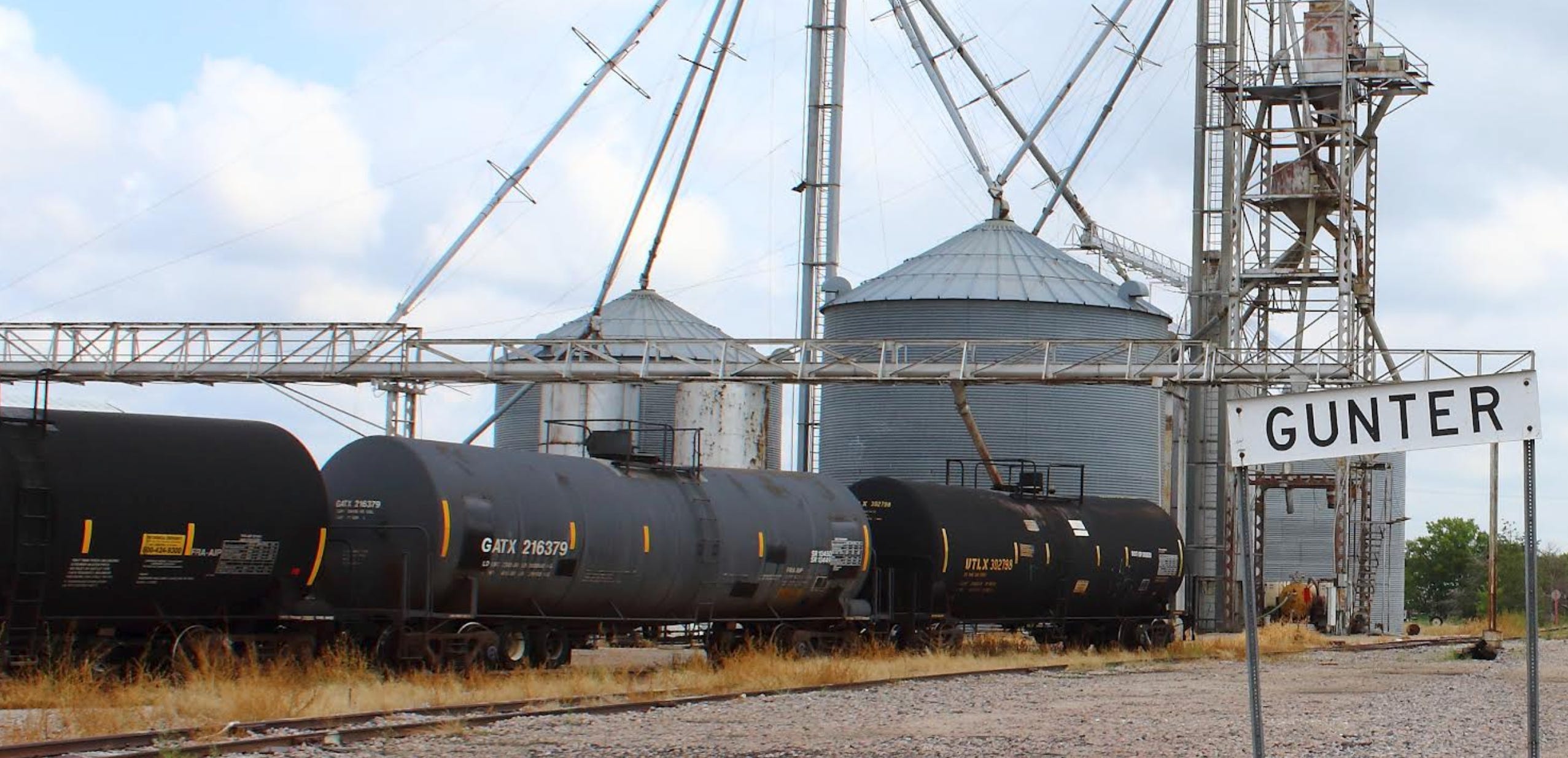
courtesy: AlphaYankee Photography

Inside This Issue
· War Watch: As War Ensues, Will Economy Lose?
· An Oil Prices Crisis? Are RRs Screwed by Pricier Crude?
· 2022 Anew? RRs Thrived Four Years Ago; Similar Kicks in ’26?
· What Are They Thinking? RR Execs to Speak this Week
· Stocker Shock: After Briefly Jumping, RR Shares Now Slumping
· Pitching for Switching: Shippers Urge STB to Scrap Old Competition Rule
· Dallas in Wonderland: BNSF Expands in the Booming DFW Metroplex
· Pirates of the Meridan? STB Rejects UP/NS Gripes; Agrees w/ CP’s Pleas
· What Does the Bot Say? AI’s Assessment of UP’s Merger Commitment
Track Talk
“In terms of the headwinds, we are watching the changing tariff environment. We are watching the potential for the changes in higher gas prices. But overall, we do continue to believe there are more tailwinds than headwinds and feel really good about the momentum we’re seeing.”
-Dollar General CFO Donny Lau
Publisher’s Note: Will you be attending the SWARS Rail Shipper event in Houston this week? If so, be sure to look for me and say hello. -Jay
The Latest
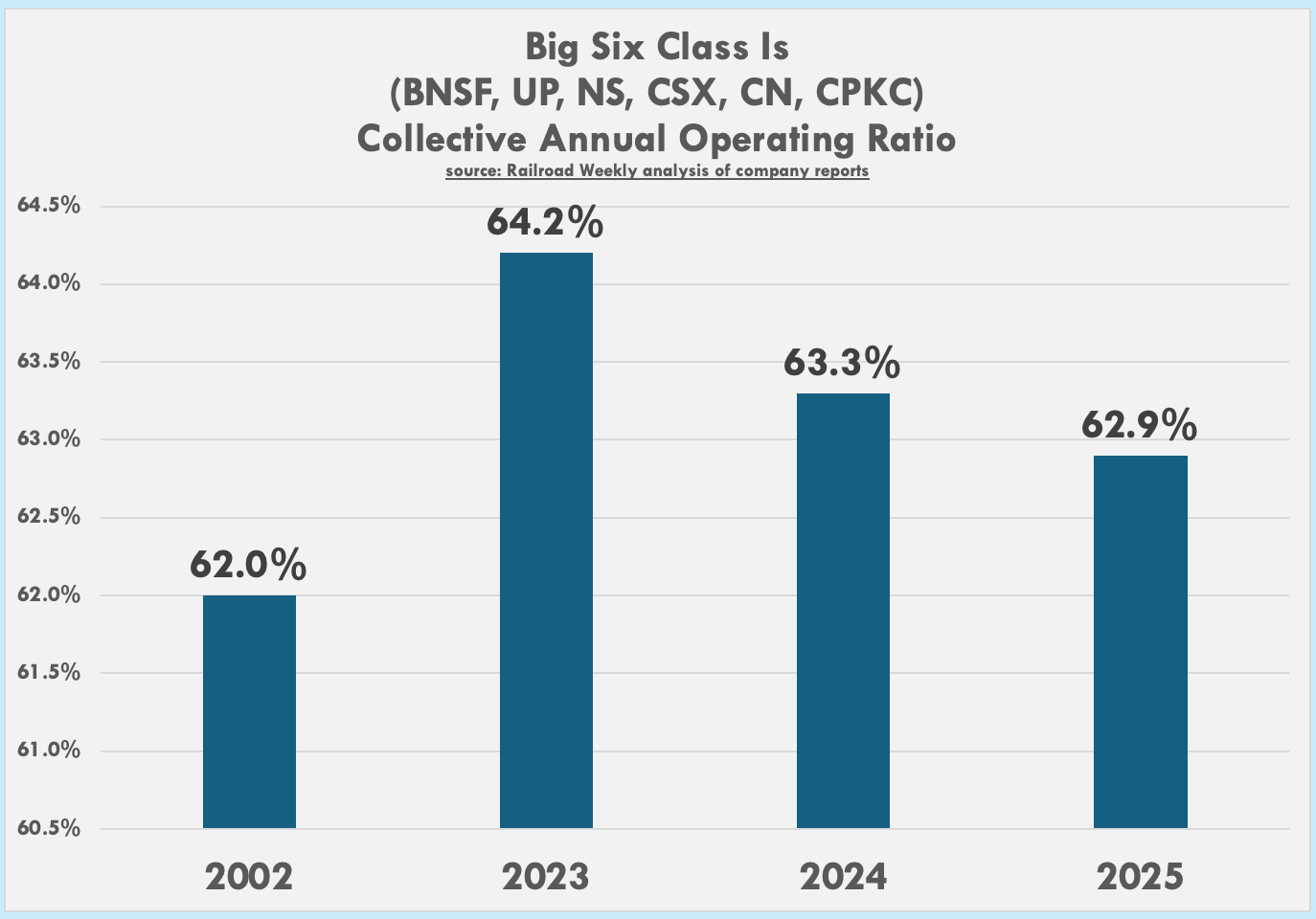
· The Iran war enters its third week, with oil prices still hovering near the uncomfortable $100 mark. That’s up from just around $60 per barrel (WTI) to start the year. Is this a repeat of 2022, when oil prices soared above $100 for almost six months, following Russia’s invasion of Ukraine? That caused a worldwide wave of inflation, with higher energy costs spilling over into transportation and agriculture. The U.S. economy still grew about 2% that year, despite 7% inflation. Helpfully, companies at the time were vigorously rebuilding inventories and hiring workers as consumer spending—juiced by heavy fiscal stimulus—rebounded from the Covid slump. As you can see from this chart, North America’s railroads had what was likely their best single year ever in 2022, with the industry’s operating ratio dropping to 62%:
· So, are high oil prices good for railroads? In one sense, yes, as FreightCar America argued in its earnings call last week (see below). Expensive oil can boost rail traffic, given the relatively greater fuel efficiency of trains versus trucks. Pricey oil also boosts the fortunes of hydrocarbon-heavy regional economies like Alberta and Texas. To be clear though, the railroad earnings boom of 2022 was underpinned by many factors, including extremely high natural gas prices that year—this led to railroads transporting more coal. Agricultural and auto shipments rose that year as well. Of course, the second half of 2022 marked the onset of a long freight recession which continues even today. As the Fed sharply raised interest rates to quell inflation, the housing market stalled, which proved poisonous to the freight and logistics economy. Railroads have felt it for sure, though less than their trucking brethren thanks partly to strength in bulk markets like agriculture and energy, not to mention greater pricing power.
· Will 2026 be a repeat of 2022? In other words, will an oil spike lead to inflation, which leads to higher borrowing costs, which leads to more pressure on housing and other key sectors for the freight economy? As it happens, the Federal Reserve meets this week to decide on what to do with interest rates. Make no mistake: Raising rates would be riskier now than four years ago, with the economy currently losing jobs.
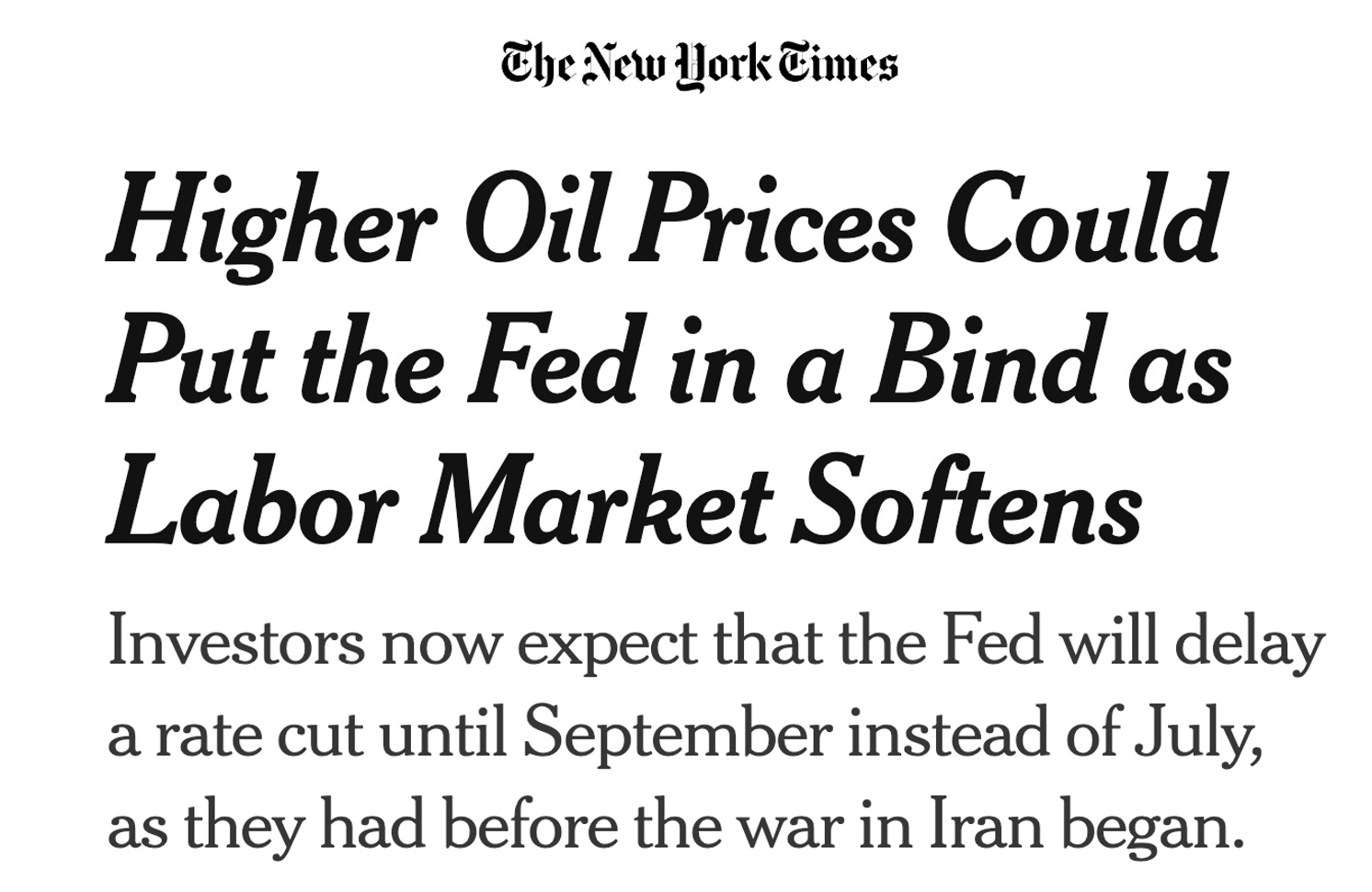
· As you can see from the Market Indicator chart below, stock prices continue to drop, and railroads are no exception. Natural gas prices and interest rates are joining oil prices in their upward march. Higher oil prices, though they’ll help North America’s large oil sector, typically result in less consumer spending. Moody’s Analytics says $100 oil, if persistent, would erase $120b from the U.S. economy, more than offsetting any gains from tax cuts and other fiscal stimulus measures.
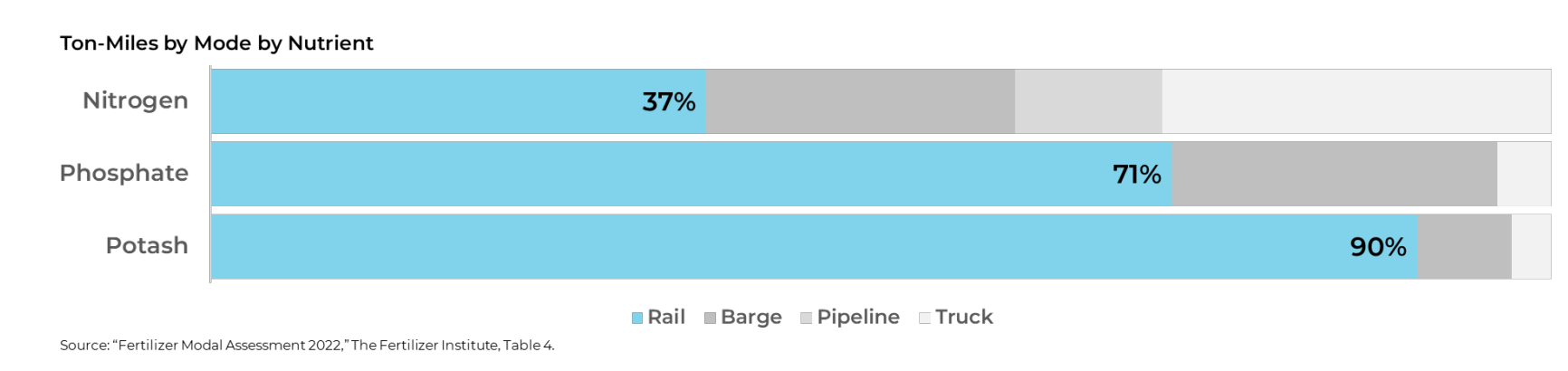
· Oil prices are up because of the supply chain disruption in the Middle East—oil tankers can’t get through the Strait of Hormuz. But it’s not just oil. Ships carrying other key Gulf exports like fertilizer inputs are also blocked. Note from the Fertilizer Institute (source of chart below): “Each year, 90m tons of fertilizer are transported throughout the U.S., with nearly two-thirds of all domestic fertilizer ton-miles moved by freight rail.”
· On the other hand, container shipping into North America has thus far been largely unaffected. The Port of Los Angeles said last week that its docks remain very busy, following its second busiest month of February ever. The port did say that heavy
Keep reading with a 7-day free trial
Subscribe to Railroad Weekly to keep reading this post and get 7 days of free access to the full post archives.